

2026 Chevrolet Blazer nearby Northfield, MN
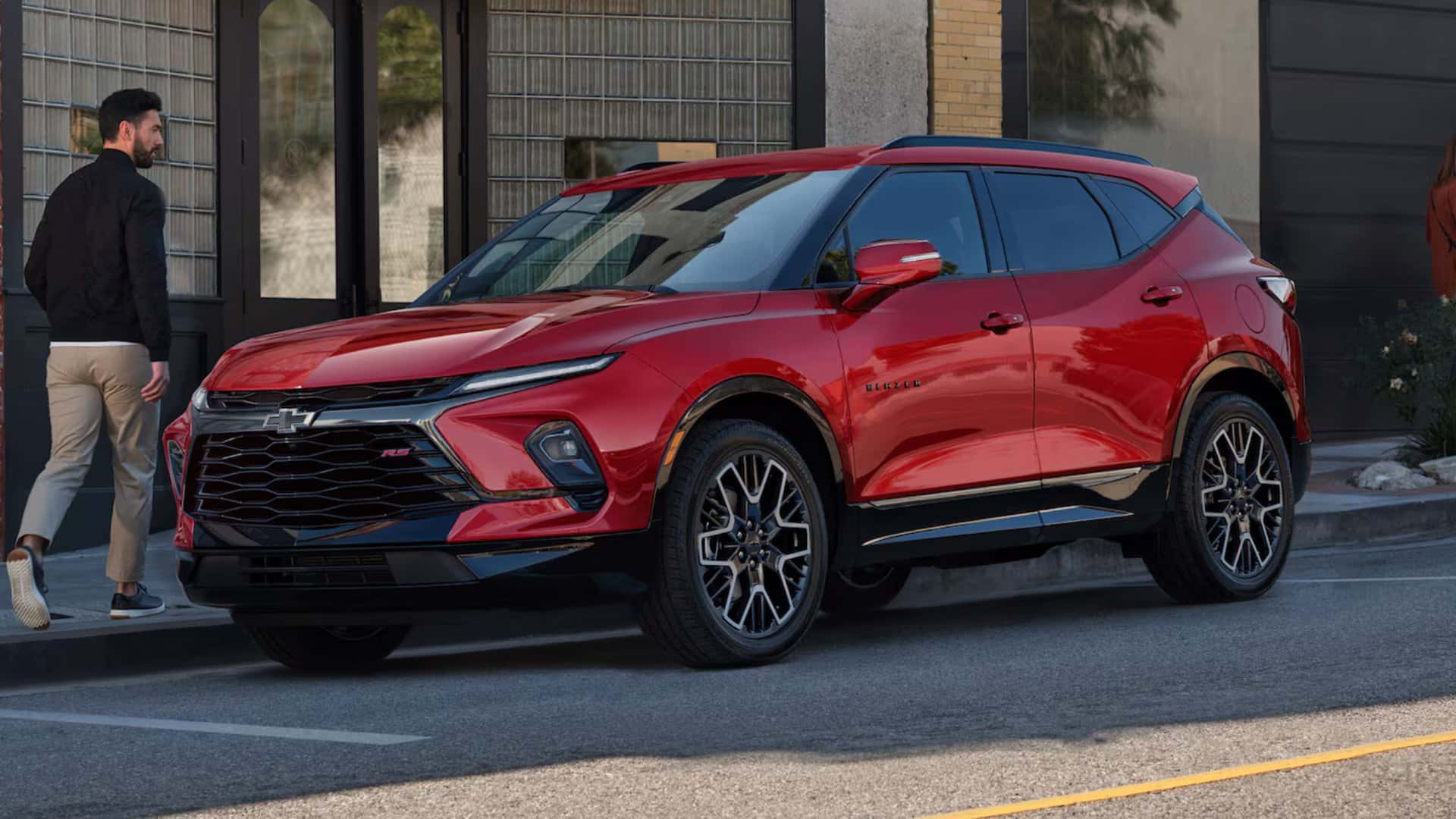
The 2026 Chevrolet Blazer is a midsize vehicle available with two direct-injected engines, two nine-speed automatic transmissions, and front-wheel-drive or all-wheel-drive configurations. Its engineering includes independent front and rear suspension systems, electric variable-effort power steering, four-wheel disc brakes, and several wheel-and-tire combinations. The cabin provides 107.8 cubic feet of EPA passenger volume, while the cargo area offers up to 64.2 cubic feet of space with the rear seat folded. Standard and available driver-assistance technologies support braking, lane positioning, forward hazard awareness, rearward visibility, and cruising. This overview examines the powertrain specifications, chassis hardware, exterior dimensions, interior accommodations, utility ratings, and safety equipment of the 2026 Chevrolet Blazer.
Engine Performance and Driveline Engineering
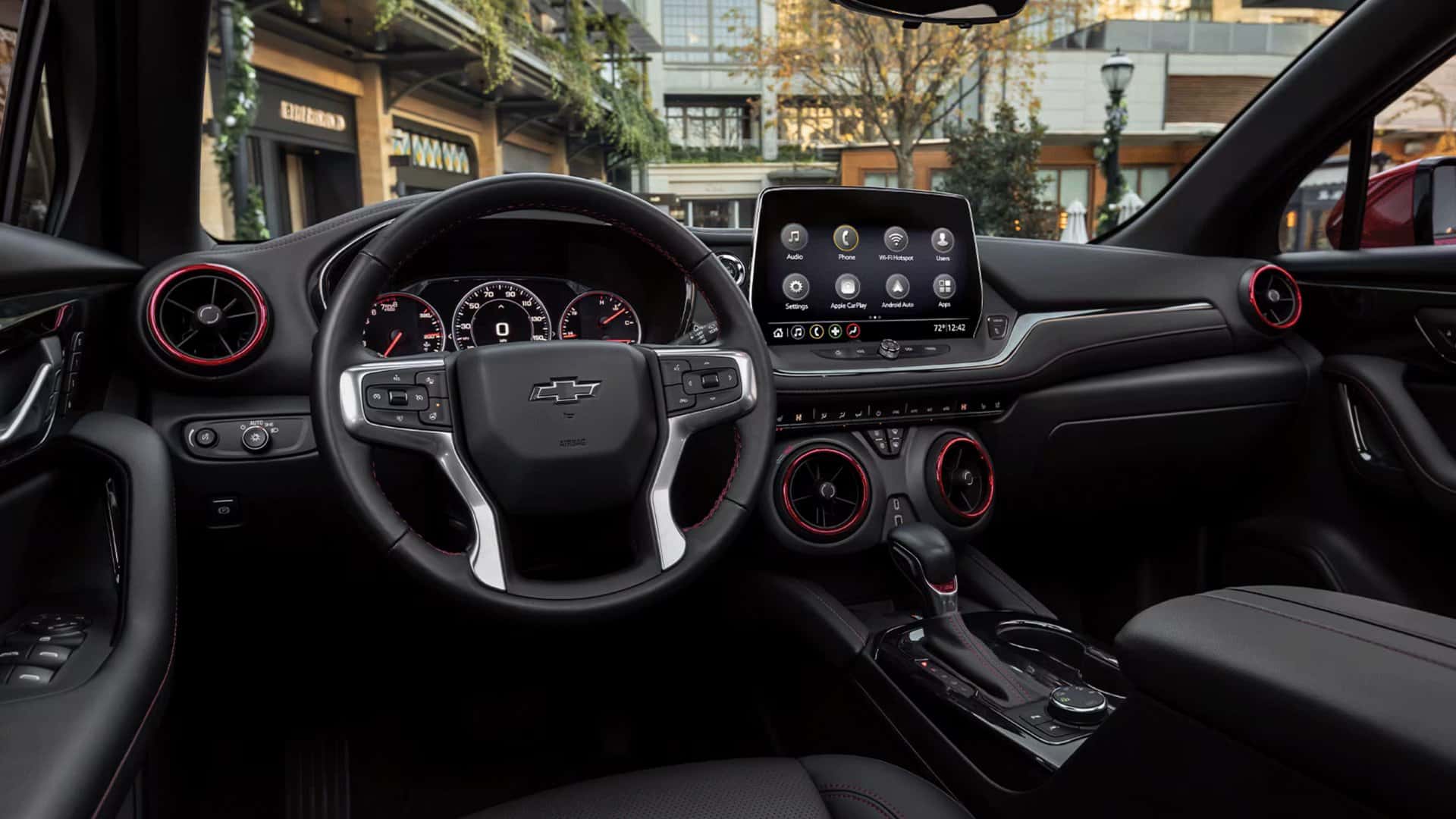
The 2026 Chevrolet Blazer offers a 2.0-liter turbocharged inline-four engine and an available 3.6-liter V6 engine. Both engines use direct high-pressure fuel injection, electronic throttle control, dual overhead camshafts, and four valves per cylinder. Each engine also includes automatic stop/start operation. Chevrolet pairs both powerplants with nine-speed automatic transmissions, although the specific transmission model differs by engine. These powertrain combinations give the 2026 Chevrolet Blazer distinct horsepower, torque, efficiency, weight, and trailering specifications.
2.0-Liter Turbocharged Engine
The 2.0-liter turbocharged inline-four engine produces 228 horsepower, or 170 kW, at 5,000 rpm. It develops 258 lb-ft, or 350 Nm, of torque across a broad range from 1,500 to 4,000 rpm. The engine uses a high-pressure die-cast aluminum block with cast-in-place liners and a cast-aluminum cylinder head. Its bore measures 3.27 inches, or 83 mm, while its stroke measures 3.63 inches, or 92.3 mm. A dual-overhead-camshaft valvetrain incorporates four valves per cylinder and a tripower system.
Chevrolet combines the 2.0-liter turbocharged engine with a Hydra-Matic 9T60 nine-speed automatic transmission and a 3.47 final-drive ratio. The transmission begins with a 4.69:1 first gear and progresses through closely defined ratios before reaching a 0.62:1 ninth gear. Seventh gear carries a direct 1.00:1 ratio, while eighth and ninth operate as overdrive ratios at 0.75:1 and 0.62:1. The transmission also uses a 2.96:1 reverse ratio. This arrangement distributes the engine’s output through a broad sequence of forward gears.
EPA-estimated fuel economy for the 2.0-liter turbocharged 2026 Chevrolet Blazer reaches 22 mpg in the city and 29 mpg on the highway with front-wheel drive. All-wheel-drive models retain the 22-mpg city estimate and carry a 27-mpg highway estimate. Front-wheel-drive configurations have an approximate fuel-tank capacity of 19.4 gallons, or 73.4 liters. All-wheel-drive configurations increase approximate fuel capacity to 21.7 gallons, or 82.1 liters. These figures identify the efficiency and fuel-storage differences between the two driveline layouts.
3.6-Liter V6 Engine
The available 3.6-liter DOHC V6 produces 308 horsepower, or 229 kW, at 6,700 rpm. It generates 270 lb-ft, or 366 Nm, of torque at 5,000 rpm. Chevrolet constructs the engine with a cast-aluminum block, cast-in-place iron bore liners, and a cast-aluminum cylinder head. The bore measures 3.74 inches, or 95 mm, and the stroke measures 3.37 inches, or 85.8 mm. Its four-valve-per-cylinder valvetrain uses continuously variable valve timing.
A Hydra-Matic 9T65 nine-speed automatic transmission manages output from the 3.6-liter V6. It uses the same listed individual gear ratios as the 9T60, including a 4.69:1 first gear, a direct 1.00:1 seventh gear, and a 0.62:1 ninth gear. The 9T65 works with a 3.49 final-drive ratio, which differs slightly from the 2.0-liter powertrain’s 3.47 ratio. A 2.96:1 reverse gear completes the transmission specifications. This combination supports both front-wheel-drive and all-wheel-drive V6 configurations.
The 3.6-liter 2026 Chevrolet Blazer carries an EPA-estimated rating of 19 mpg in the city and 26 mpg on the highway with front-wheel drive. All-wheel drive changes the city estimate to 18 mpg while retaining the 26-mpg highway figure. Fuel-tank capacity follows the driveline configuration rather than the engine choice, with front-wheel-drive models holding approximately 19.4 gallons and all-wheel-drive models holding approximately 21.7 gallons. The V6 also supports the vehicle’s highest listed trailering capacity when paired with the applicable trailering equipment. Its output, transmission, and driveline specifications define the higher-powered side of the 2026 Chevrolet Blazer lineup.
Disclaimer: EPA estimated for FWD and 3.6L V6 engine.
Chassis, Steering, Braking, Wheels, and Tires
The 2026 Chevrolet Blazer uses fully independent suspension hardware and an electrically assisted steering system. Its chassis specifications include a MacPherson® strut front suspension and a five-link rear suspension. Hollow stabilizer bars operate at both ends of the vehicle. The braking system combines four-wheel discs with variable brake operation and power assist. Several aluminum wheel sizes and corresponding all-season tire specifications accommodate the LT, RS, and Premier trims.
Independent Suspension and Steering
The front suspension uses an independent MacPherson® strut design with a hydraulic control-arm ride bushing. A hollow stabilizer bar contributes to the front suspension assembly. At the rear, Chevrolet specifies an independent five-link layout with another hollow stabilizer bar. These independent systems allow the front and rear suspension assemblies to manage wheel movement through their respective designs. The listed hardware of the 2026 Chevrolet Blazer provides the structural basis for the ride and handling characteristics.
Electric variable-effort power steering changes the level of assistance through the vehicle’s electrically controlled steering system. Active Return Assist forms part of the steering specification. The 2026 Chevrolet Blazer has a turning circle of 38.7 feet, or 11.8 meters. That measurement defines the space required to complete a full turning maneuver under the specified conditions. Together, the steering type and turning-circle figure provide useful technical context for low-speed maneuvering and directional control.
Four-Wheel Disc Braking
The 2026 Chevrolet Blazer uses a four-wheel-disc variable brake system with power assist. Chevrolet equips the system with Duralife™ brake rotors and low-drag brake calipers. The front brake rotors measure 12.64 inches, or 321 mm, in diameter. The rear brake rotors measure 12.40 inches, or 315 mm, in diameter. This equipment gives every wheel a disc-brake assembly while defining the front and rear rotor dimensions separately.
Wheel and tire specifications vary by trim and selected equipment. The LT receives standard 18-inch aluminum wheels with P235/65R18 all-season tires. RS and Premier models receive standard 20-inch aluminum wheels paired with P235/55R20 all-season tires. The 20-inch wheels are also included on LT models equipped with the available Redline Edition. Available 21-inch aluminum wheels for RS and Premier models use P265/45R21 all-season tires.
Exterior Dimensions, Interior Space, and Utility
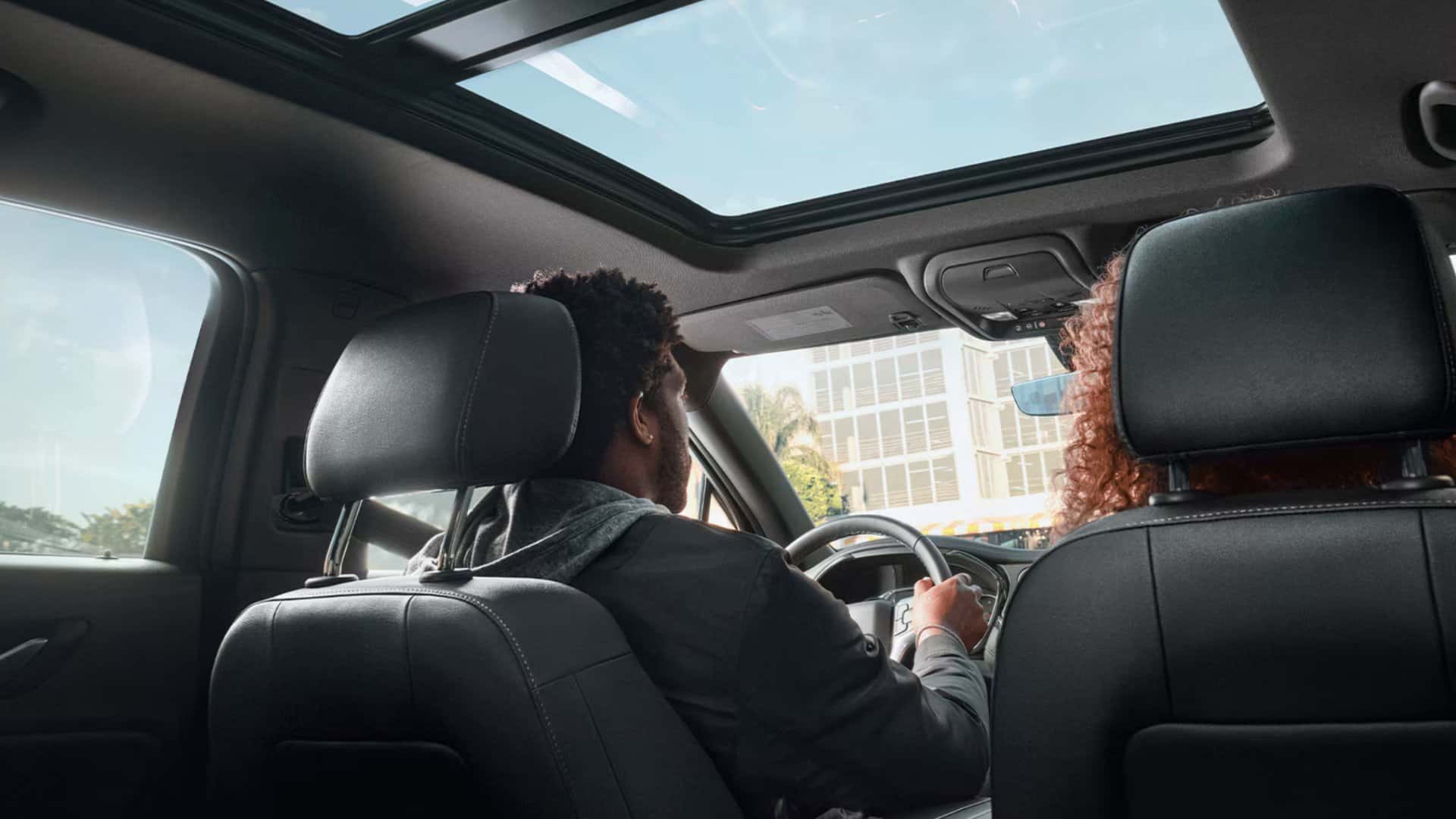
The 2026 Chevrolet Blazer combines a defined exterior footprint with measured seating space for both rows. Its 112.7-inch wheelbase supports an overall length of 191.8 inches. Inside, the vehicle provides specified headroom, legroom, shoulder room, and hip room for front and rear occupants. Cargo volume changes according to the position of the rear seat. Trailering capacity varies by engine, driveline, and trailering-package configuration.
Exterior Proportions and Cabin Measurements
The 2026 Chevrolet Blazer measures 191.8 inches, or 4,874 mm, in overall length and 76.7 inches, or 1,948 mm, in width without mirrors. Overall height measures 67 inches, or 1,702 mm. The front track spans 66.4 inches, or 1,687 mm, while the rear track measures 66.2 inches, or 1,681 mm. Its wheelbase measures 112.7 inches, or 2,863 mm. These dimensions describe the vehicle’s primary exterior proportions and the relationship between its axle placement and body size.
Without a sunroof, front headroom measures 39.8 inches and rear headroom measures 38.6 inches. With a sunroof, those measurements become 38 inches in front and 36.8 inches in the rear. Front legroom measures 41 inches, while rear legroom reaches 39.6 inches. Chevrolet lists 59.1 inches of front shoulder room and 58.6 inches of rear shoulder room. Hip room measures 55.6 inches for the front row and 54.2 inches for the rear row.
The cabin provides an EPA passenger volume of 107.8 cubic feet, or 3,053 liters. The separate headroom measurements account for the effect of the sunroof configuration on vertical space. Front and rear legroom figures describe the longitudinal occupant space available in each row. Shoulder-room and hip-room measurements further define the usable width around seated occupants. Collectively, these specifications provide a detailed view of how the 2026 Chevrolet Blazer distributes interior space.
Cargo Capacity, Curb Weight, and Trailering
The cargo compartment provides 30.5 cubic feet, or 864 liters, of maximum volume behind the rear seat. Folding the rear seat expands maximum cargo volume to 64.2 cubic feet, or 1,818 liters. Actual cargo and load capacity remain limited by weight and distribution. The two cargo figures show how the position of the rear seat changes the vehicle’s available carrying space. This configuration allows the cabin to retain rear seating or prioritize a larger cargo area.
Base curb weight depends on trim, engine, and driveline. LT models range from 3,918 pounds with the 2.0-liter turbocharged engine and front-wheel drive to 4,249 pounds with the 3.6-liter V6 and all-wheel drive. The RS weighs 4,079 pounds with front-wheel drive and 4,313 pounds with all-wheel drive, with both listed configurations using the 3.6-liter engine. Premier weights range from 3,992 pounds with the 2.0-liter turbocharged engine and front-wheel drive to 4,322 pounds with the 3.6-liter V6 and all-wheel drive. These figures document the mass associated with engine selection, driveline layout, and trim equipment.
Without a trailering package, both front-wheel-drive engine configurations have a listed capacity of 1,500 pounds, or 680 kg. The 2.0-liter front-wheel-drive model can tow up to 3,250 pounds, or 1,474 kg, with the available trailering package. The 2.0-liter all-wheel-drive model carries the same 3,250-pound rating with its standard trailering package. The 3.6-liter V6 raises capacity to 4,500 pounds, or 2,041 kg, with the available trailering package on front-wheel-drive models or the standard trailering package on all-wheel-drive models. Passenger weight, cargo, and installed options can reduce the amount the vehicle can tow, so operators should review the applicable trailering guidance before use.
Safety and Driver-Assistance Technology
The 2026 Chevrolet Blazer combines passive occupant-protection equipment with standard and available driver-assistance systems. Airbags cover specified frontal, side-impact, knee, and head-curtain locations. A tire-pressure monitoring system and HD Rear Vision Camera provide additional vehicle-status and visibility support. Chevy Safety Assist comes standard and groups six assistance features into one package. Additional technology is available across the trim range or through the Driver Confidence II package on RS and Premier models.
Occupant Protection and Standard Monitoring
The airbag system includes frontal and seat-mounted side-impact airbags for the driver and front passenger. A knee airbag protects the driver, while head-curtain airbags cover the front and rear outboard seating positions. The system also includes a Passenger Sensing System. Seat belts and properly selected child restraints remain essential parts of occupant protection. Children should be secured in an appropriate child restraint in a rear seating position.
A standard Tire Pressure Monitor System tracks tire pressure and includes Tire Fill Alert. The system excludes the spare tire. A standard HD Rear Vision Camera supplies a rearward view to assist the driver during applicable maneuvers. These technologies support vehicle monitoring and rear visibility but do not replace attentive vehicle operation. Drivers remain responsible for operating the 2026 Chevrolet Blazer safely and understanding each feature’s limitations.
Chevy Safety Assist and Available Systems
Standard Chevy Safety Assist includes Automatic Emergency Braking and Front Pedestrian Braking. Lane Keep Assist with Lane Departure Warning adds steering-related lane support and a warning function. The Following Distance Indicator and Forward Collision Alert provide information and warnings related to traffic ahead. IntelliBeam® automatic high beams manage high-beam operation under supported conditions. All six technologies form the standard Chevy Safety Assist package.
Adaptive Cruise Control and Enhanced Automatic Emergency Braking are available on all trims. RS and Premier models can also receive the available Driver Confidence II package. That package includes HD Surround Vision, Rear Camera Mirror, Adaptive Cruise Control, Enhanced Automatic Emergency Braking, and Safety Alert Seat. The combination expands the vehicle’s camera-based visibility, cruising assistance, braking support, and driver-alert functions. Every safety or driver-assistance feature requires responsible driver supervision and operation within its stated limitations.
Visit Sota Chevrolet for a Test Ride
Schedule a test drive at Sota Chevrolet nearby Northfield, MN, to evaluate the 2026 Chevrolet Blazer from the driver’s seat. Our team can help explain the available engines, nine-speed automatic transmissions, driveline configurations, wheel sizes, and trailering capabilities. A test drive also provides an opportunity to assess the independent suspension, variable-effort steering, cabin comfort, cargo flexibility, and braking response. We can review the standard Chevy Safety Assist package and the additional technologies available on selected trims. Contact us to arrange a visit and examine the performance, technology, handling, comfort, and safety equipment of the 2026 Chevrolet Blazer in person.
