

2026 Chevrolet Blazer in Northfield, MN
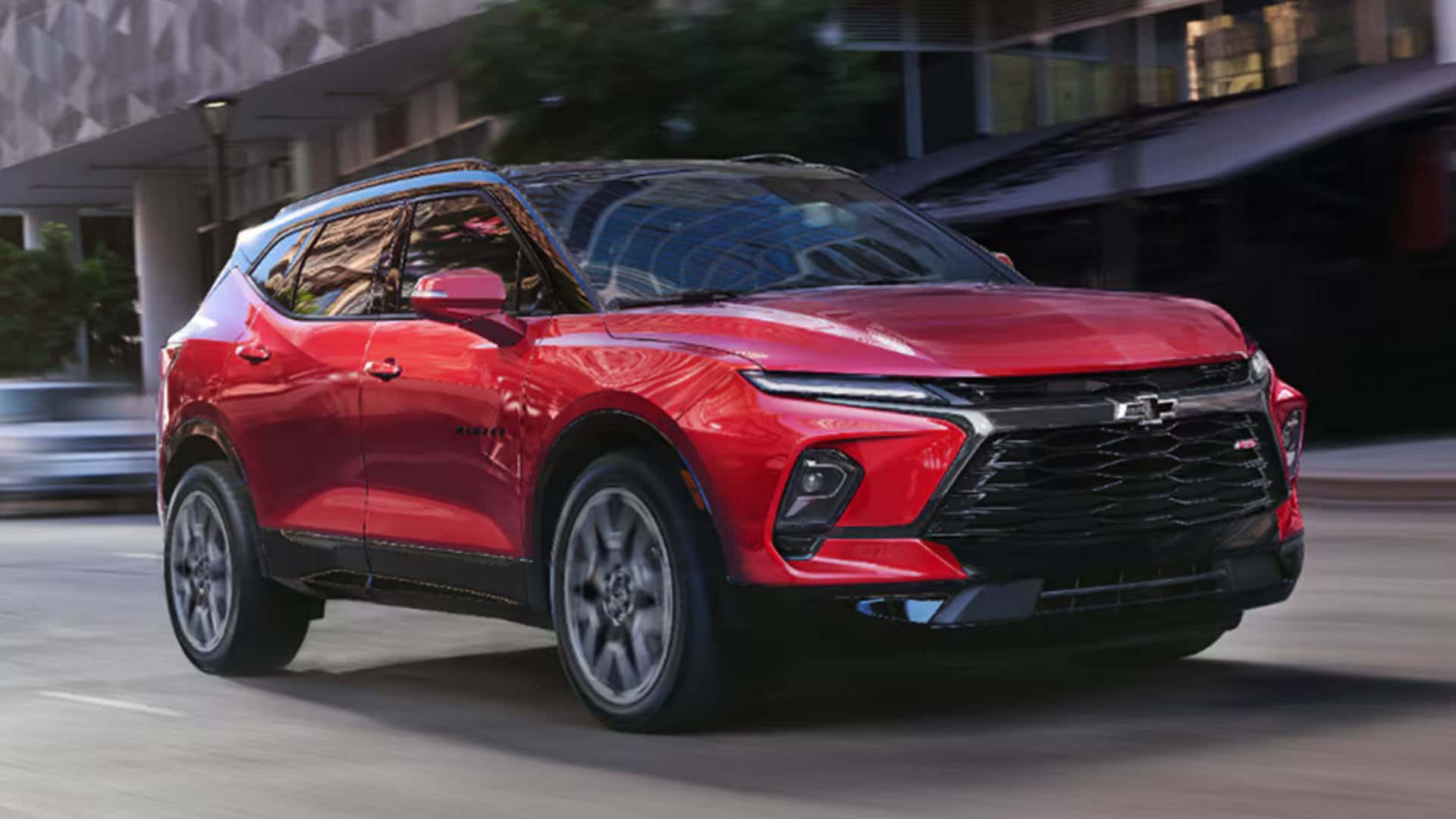
The 2026 Chevrolet Blazer is a midsize sport utility vehicle designed with a focus on mechanical efficiency, interior functionality, and integrated vehicle technology. The model supports a five-passenger configuration and incorporates a turbocharged engine paired with a nine-speed automatic transmission. This drivetrain configuration contributes to balanced acceleration characteristics and stable highway performance while maintaining controlled fuel consumption.
The vehicle structure supports four doors and provides a cargo capacity of approximately 64.2 cubic feet when the interior space is configured for maximum storage. The 2026 Chevrolet Blazer uses regular unleaded fuel and is engineered to achieve an estimated fuel economy rating of 22 miles per gallon in city driving conditions and 29 miles per gallon during highway travel. The vehicle platform integrates modern driver-assistance technologies and infotainment systems that support connectivity, navigation, and communication functions.
Disclaimer: *EPA estimated for FWD and 3.6L V6 engine.
Turbocharged Engine and Powertrain Configuration
The 2026 Chevrolet Blazer uses a 2.0-liter turbocharged inline four-cylinder gasoline engine. This engine configuration is designed to generate efficient combustion while maintaining a responsive power delivery profile during acceleration and highway cruising. Turbocharging improves the intake air density by compressing incoming air before it enters the combustion chamber. This process allows the engine to generate greater output from a smaller displacement compared with naturally aspirated engines.
The engine operates using regular unleaded gasoline and integrates electronic fuel injection systems that regulate the air-fuel mixture to support consistent combustion. The turbocharger contributes to improved torque output at lower engine speeds. This characteristic assists with merging onto highways, overtaking slower traffic, and maintaining stable acceleration during loaded driving conditions.
The engine is paired with a nine-speed automatic transmission. The transmission includes multiple gear ratios designed to improve mechanical efficiency across a wide range of vehicle speeds. Lower gears support stronger acceleration from a stationary position while higher gears reduce engine speed during highway driving. Reduced engine speed at higher gears contributes to improved fuel efficiency and reduced mechanical noise within the cabin.
The transmission system operates with electronically controlled shift mapping. This control system determines gear selection based on throttle input, vehicle speed, and driving conditions. The software adjusts shift timing to provide smooth transitions between gears while maintaining optimal engine performance.
Structural Architecture and Vehicle Platform
The structural architecture of the 2026 Chevrolet Blazer supports both passenger protection and vehicle handling stability. The body structure uses reinforced components designed to maintain rigidity while also absorbing and distributing impact forces during collisions. Structural rigidity contributes to improved steering response and suspension efficiency because the chassis maintains consistent alignment under varying road conditions.
The vehicle body configuration includes four passenger doors and a rear cargo hatch. This layout supports convenient passenger entry and efficient loading of cargo. The roof structure and side pillars are engineered to maintain structural strength while supporting the overall weight distribution of the vehicle.
The midsize SUV platform allows the 2026 Chevrolet Blazer to maintain a balanced wheelbase and track width. These dimensions influence driving stability during highway travel and cornering. The suspension system works in combination with the chassis structure to manage road irregularities while maintaining consistent tire contact with the driving surface.
Vehicle mass distribution also contributes to driving dynamics. The engine placement and drivetrain components are positioned to support stable weight balance across the front and rear axles. This balance assists with predictable steering response and controlled braking behavior.
Passenger Cabin Layout and Interior Space Engineering
The interior design of the 2026 Chevrolet Blazer emphasizes efficient space management and passenger comfort. The cabin supports seating for five occupants, including two front seats and a three-position rear bench seat. The seating arrangement provides sufficient legroom and headroom for adult passengers in both rows.
Seat construction uses structural frames and cushioning materials designed to provide support during extended driving periods. The seating surfaces are positioned to maintain ergonomic alignment between the driver and the vehicle controls. This alignment helps reduce driver fatigue during longer travel distances.
The cargo storage area provides a maximum cargo volume of approximately 64.2 cubic feet when the rear seating area is configured for expanded storage. The rear seats can be adjusted to create additional cargo capacity for transporting larger items. This configuration allows the vehicle to carry luggage, equipment, and other cargo while maintaining organized interior storage.
Interior materials are selected to maintain durability during daily use. Surfaces in the cabin are designed to resist wear from frequent passenger contact. Storage compartments integrated into the center console and door panels allow occupants to store small personal items securely during travel.
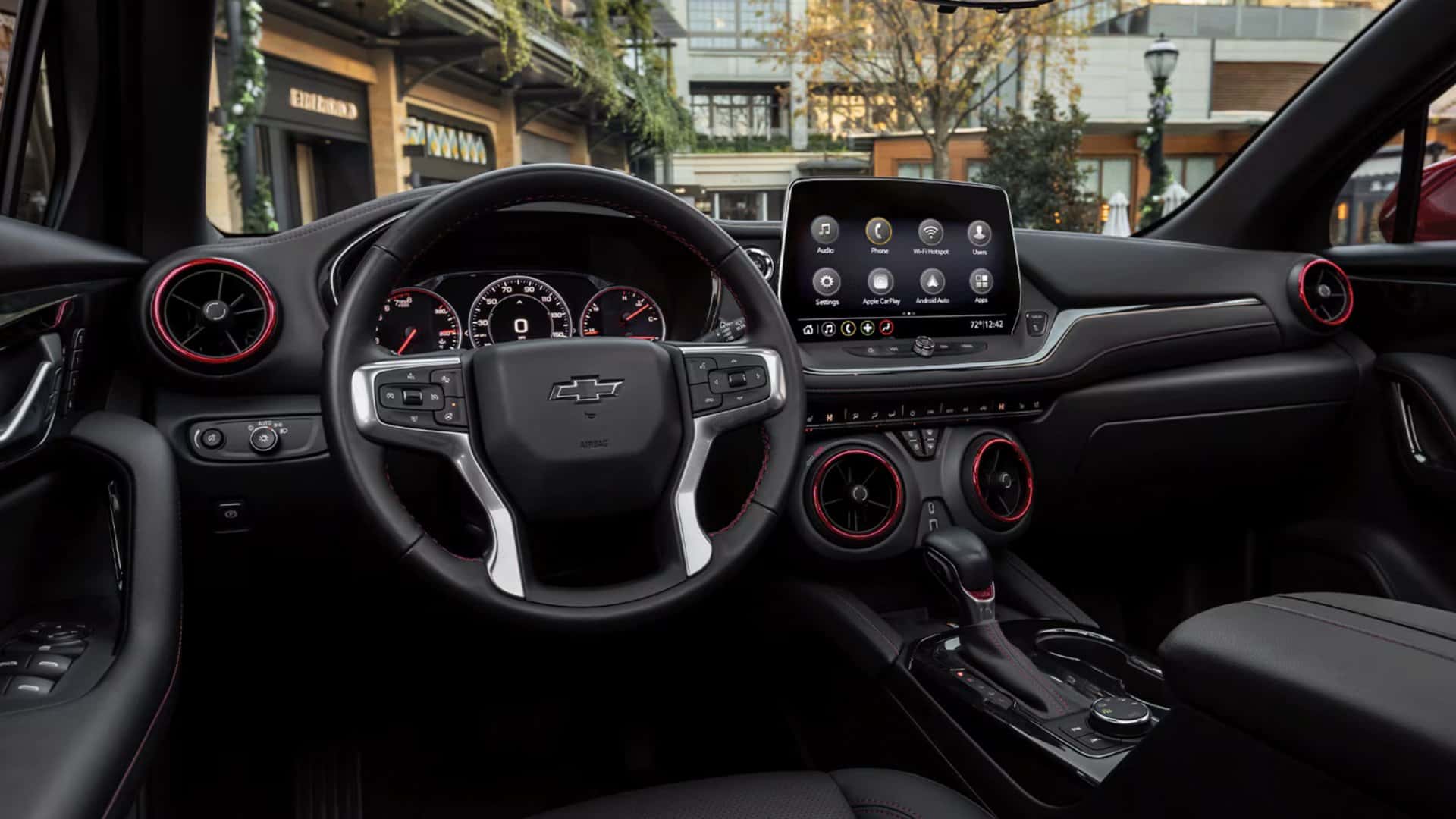
The instrument panel and control layout place primary driving controls within reach of the driver. The steering wheel, gear selector, and infotainment display are arranged to provide clear visibility and ease of operation.
Integrated Infotainment and Digital Connectivity Systems
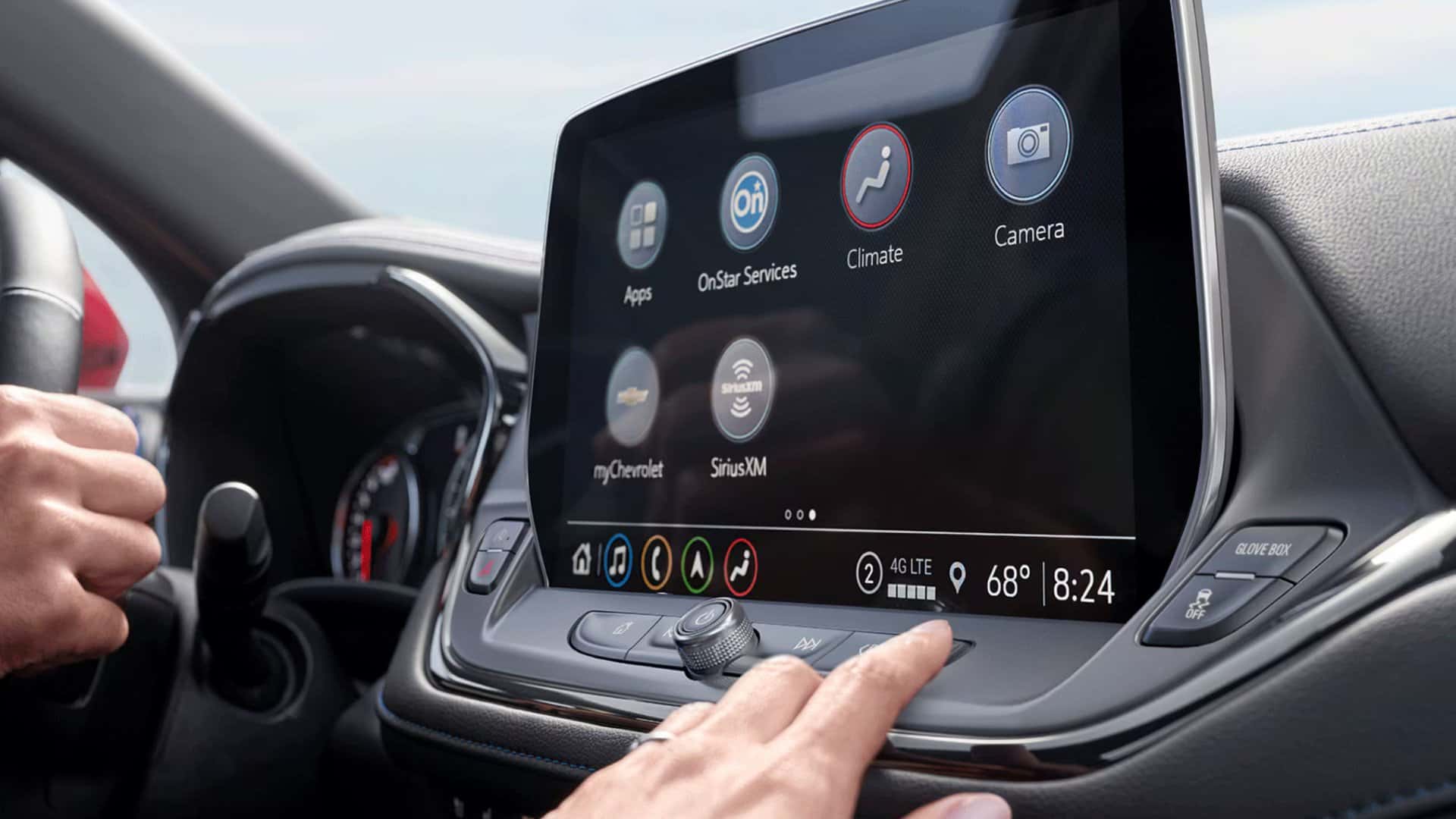
The 2026 Chevrolet Blazer incorporates a digital infotainment system designed to provide access to communication, navigation, and multimedia functions. The central touchscreen display serves as the primary interface for controlling vehicle information and entertainment features.
Drivers can use the display to access navigation assistance, adjust audio settings, and connect compatible smartphones. Smartphone connectivity allows drivers to access mobile applications through the vehicle interface. This capability supports hands-free communication and media playback.
Voice command technology is integrated into the infotainment system. Voice recognition allows drivers to control certain functions through spoken commands. This feature reduces the need for manual input while driving and supports safer interaction with digital features.
The infotainment system includes software that manages media playback, navigation guidance, and system settings. The interface is designed to display information clearly and respond quickly to user input. Digital processing hardware supports consistent system performance during operation.
Connectivity features allow occupants to access music libraries, communication tools, and navigation information while traveling. These systems contribute to a connected driving experience that integrates modern communication technologies with vehicle operation.
Driver Assistance and Active Safety Technologies
The 2026 Chevrolet Blazer incorporates a range of driver assistance technologies designed to monitor surrounding traffic conditions and provide alerts to the driver. These systems use a combination of cameras, sensors, and onboard processing software to identify potential hazards.
Forward collision alert technology monitors the distance between the 2026 Chevrolet Blazer and vehicles traveling ahead. If the system detects a rapid reduction in distance, it provides a visual or audible alert to the driver. This alert allows the driver to respond quickly to changing traffic conditions.
Automatic emergency braking technology may activate braking assistance when the system detects an imminent collision. The braking system applies controlled braking force to reduce the speed of the vehicle and help decrease the severity of a potential impact.
Lane monitoring systems observe lane markings on the roadway. If the vehicle begins to drift outside its lane without a turn signal being activated, the system provides an alert to the driver. This notification encourages corrective steering input to maintain lane position.
Rear visibility systems use camera technology to provide a clear view behind the vehicle during reversing maneuvers. The camera feed appears on the infotainment display and assists the driver when backing into parking spaces or navigating tight areas.
Driver monitoring features track vehicle movement patterns and driver behavior indicators. These systems can detect signs of reduced attention and provide alerts that encourage the driver to remain focused on driving.
Suspension Design and Driving Stability
The suspension system of the 2026 Chevrolet Blazer is engineered to balance ride comfort with stable handling characteristics. Suspension components connect the vehicle body to the wheel assemblies and manage the movement of the tires as the vehicle travels over uneven road surfaces.
Shock absorbers and springs control vertical movement of the wheels. These components absorb road impacts and reduce vibration transferred to the passenger cabin. Proper suspension tuning allows the vehicle to maintain stable handling while minimizing body movement during cornering.
The steering system is calibrated to provide consistent steering response. Steering feedback helps the driver maintain precise control of the vehicle while navigating curves or changing lanes. Steering components are integrated with electronic systems that assist with directional stability.
Braking systems include electronically controlled braking force distribution. This system adjusts braking pressure across the wheels to maintain stability during deceleration. The braking components operate in coordination with traction control systems that manage wheel slip on low-traction surfaces.
Visit Sota Chevrolet for a Test Ride
Visitors are welcome to explore the technical specifications of the 2026 Chevrolet Blazer in person at Sota Chevrolet in Northfield, MN. Our team can provide a detailed explanation of the vehicle’s mechanical systems, infotainment capabilities, and driver assistance features. Scheduling a test drive allows drivers to examine how the suspension, steering, and braking systems respond during typical driving situations. It also provides an opportunity to evaluate interior space and cargo flexibility within the passenger cabin.
