

2026 Chevrolet Blazer EV nearby Northfield, MN
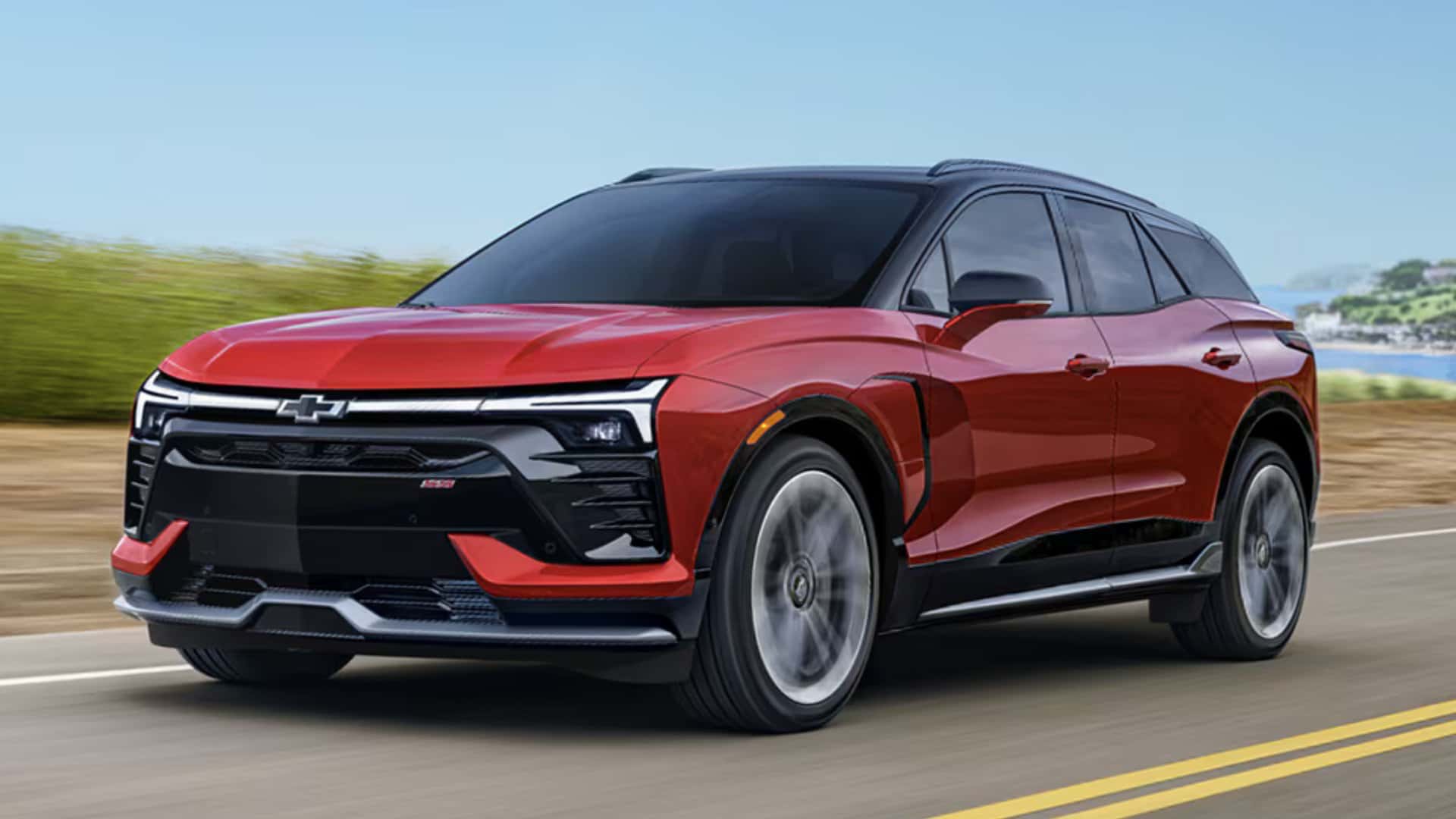
The 2026 Chevrolet Blazer EV is an all-electric SUV built around multiple propulsion layouts, defined battery capacities, and a technical equipment set that supports efficiency, performance, charging flexibility, passenger comfort, and driver awareness. The lineup includes front-wheel drive, all-wheel drive, rear-wheel drive, and SS Performance AWD configurations, each with distinct motor specifications, torque ratings, range estimates, and charging performance. The 2026 Chevrolet Blazer EV adds Polar White as an exterior color and makes a dual-level charge cord standard, giving the model an expanded exterior palette and practical charging equipment. The vehicle’s specifications show a broad engineering approach that includes lithium-ion battery technology, AC and DC charging capability, independent suspension, electric power steering, 4-wheel disc brakes, trim-specific wheels and tires, and a comprehensive set of safety and driver assistance features.
Electric Range, Battery System, and Energy Storage
The 2026 Chevrolet Blazer EV uses a rechargeable energy storage system made from multiple linked modules, supporting the different powertrain configurations available across the lineup. Its EPA-certified driving range ratings vary by drivetrain, giving each version a defined efficiency profile. The front-wheel drive configuration carries an EPA-certified driving range of 312 miles on a full charge, while the all-wheel drive configuration carries an EPA-certified range of 283 miles. The rear-wheel drive configuration provides the highest listed range at 334 miles, and the SS Performance AWD configuration carries an EPA-certified range of 303 miles. Actual driving range can vary due to temperature, terrain, battery age, vehicle loading, use patterns, and maintenance practices.
Battery Chemistry and Rated Energy
The 2026 Chevrolet Blazer EV battery system uses lithium-ion NCMA cathode chemistry with a blended graphite anode. This battery chemistry supports the vehicle’s electric drive systems and works with two rated energy configurations across the lineup. Front-wheel drive and all-wheel drive models use an 85 kWh battery-rated energy configuration. Rear-wheel drive and SS models use a 102 kWh battery-rated energy configuration. These battery specifications help explain the technical differences among 2026 Chevrolet Blazer EV configurations, including driving range, curb weight, charging capability, and power output.
Disclaimer: On a full charge. Actual range may vary based on several factors, including ambient temperature, terrain, battery age and condition, loading, and how you use and maintain your vehicle.
Electric Drive Performance and Drivetrain Layouts
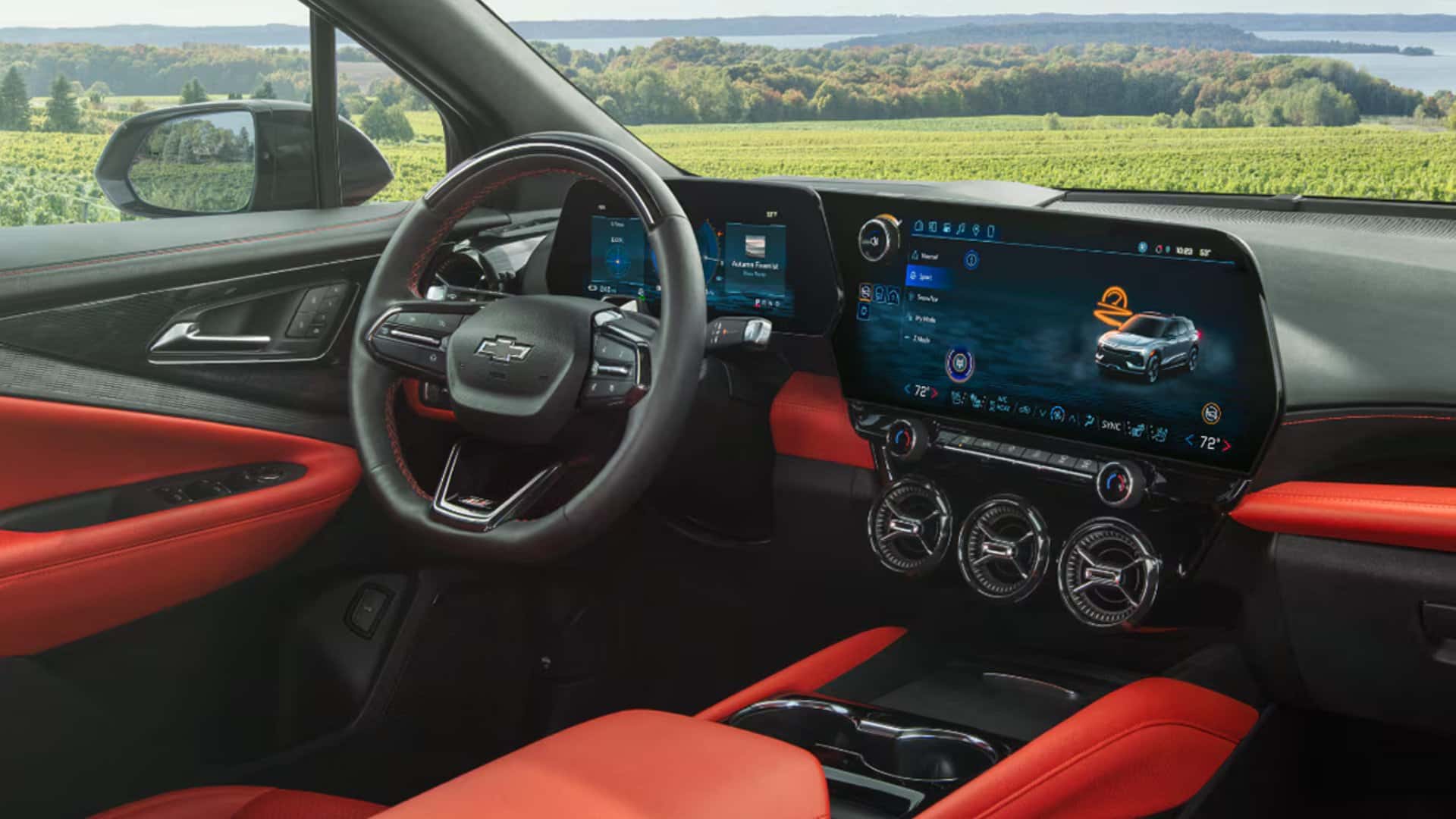
The 2026 Chevrolet Blazer EV offers several electric drive layouts, allowing the SUV to cover a wide range of output and traction requirements within one model family. The front-wheel drive and rear-wheel drive versions use single-motor systems, while the all-wheel drive and SS versions use dual-motor systems. Each drivetrain includes its own motor type, power rating, torque rating, and final drive ratio. This layout gives the 2026 Chevrolet Blazer EV lineup clear technical separation between efficiency-focused, traction-focused, range-focused, and performance-focused configurations. The result is a model range that uses electric propulsion in different ways while retaining the same core SUV format and two-row packaging.
Front-Wheel Drive and All-Wheel Drive Systems
The front-wheel drive 2026 Chevrolet Blazer EV uses a single motor and gearset with a permanent magnetic drive motor. This configuration produces 220 horsepower and 243 lb-ft of torque. It uses an 11.59:1 final drive ratio, giving the FWD model a straightforward single-motor electric drive layout. The all-wheel-drive version uses dual motors and gearsets, pairing a permanent magnet, bar-wound front motor with a rear induction motor without a magnet. This AWD configuration produces 300 horsepower and 355 lb-ft of torque, with an 11.59:1 front final drive ratio and a 10.99:1 rear final drive ratio.
Rear-Wheel Drive and SS Performance AWD Systems
The rear-wheel drive 2026 Chevrolet Blazer EV uses a single motor and gearset with a permanent magnetic drive motor. This RWD configuration produces 365 horsepower and 325 lb-ft of torque, giving it the strongest listed output among the single-motor versions. It uses an 11.63:1 final drive ratio, which separates it mechanically from the front-wheel drive model. The SS uses dual motors and gearsets with permanent magnetic drive motors at the front and rear. With Wide Open Watts, the SS produces 615 horsepower and 650 lb-ft of torque, along with a 9.87 front final drive ratio and a 10.49 rear final drive ratio.
Charging Capability and Charging Performance
The 2026 Chevrolet Blazer EV supports both AC and DC charging, with charging rates tied to battery size, charging equipment, vehicle settings, battery condition, and outside temperature. The model is 11.5 kW capable for AC charging, giving it a defined Level 2 charging capability when paired with appropriate charging equipment. For DC charging, models with 85 kWh batteries are 150 kW capable. Models with 102 kWh batteries are 190 kW capable, aligning the larger battery configurations with a higher listed DC charging capability. The standard dual-level charge cord adds practical flexibility by supporting 120V charging and 240V charging through one included charging solution.
Level 1, Level 2, and Public DC Fast Charging
On 120V charging at 1.4 kW, the 2026 Chevrolet Blazer EV adds approximately 4 miles of range per hour of charge. Using the 240V 7.7 kW dual-level charge cord, the FWD model adds approximately 25 miles of range per hour, while AWD and RWD models add approximately 22 miles of range per hour. The SS adds approximately 20 miles of range per hour using the same 240V 7.7 kW dual-level charge cord. With 240V charging at 11.5 kW, the FWD model adds approximately 35 miles of range per hour; AWD and RWD models add approximately 31 miles per hour; and the SS adds approximately 29 miles per hour. Public DC fast charging can add up to 87 miles of range in 10 minutes for RWD, up to 81 miles for FWD, up to 68 miles for AWD, and up to 79 miles for SS.
Chassis, Suspension, Steering, and Braking Hardware
The 2026 Chevrolet Blazer EV uses chassis components designed to support an electric SUV platform with multiple drivetrain configurations. The front and rear suspension both use a 5-link independent layout, giving the vehicle an advanced suspension design at each end. Steering uses Continuously Variable Electric Power Steering, which supports electric vehicle operation while providing configuration-specific steering ratios. The FWD, AWD, and RWD versions use an 18.46:1 steering ratio, while the SS uses a quicker 15.8:1 steering ratio. The 2026 Chevrolet Blazer EV also has a 39.7-foot wall-to-wall turning circle, which provides a clear measure of maneuverability for parking areas, driveways, and tighter road environments.
Brake System, Wheel Sizes, and Tire Fitments
The 2026 Chevrolet Blazer EV uses 4-wheel disc brakes across the lineup. The SS adds Brembo® 6-piston fixed front calipers, giving the performance model a distinct front braking specification. Standard front brake rotors measure 12.5 inches, while SS front brake rotors measure 15.3 inches. Rear brake rotors measure 13.6 inches across the listed specifications. Wheel and tire sizing varies by trim, with LT models using 19-inch aluminum wheels and 255/60R19 tires, RS models using 21-inch aluminum wheels and 275/45R21 tires, and SS models using 22-inch aluminum wheels and 275/40R22 tires.
Exterior Dimensions and Functional Packaging
The 2026 Chevrolet Blazer EV uses exterior dimensions that define its stance, road presence, clearance, and overall packaging. The wheelbase measures 121.8 inches, giving the SUV a long platform measurement that supports interior space and stable vehicle proportions. Overall length measures 192.2 inches for most configurations and 192.6 inches for the SS. Overall width measures 78.0 inches without mirrors and 86.5 inches with mirrors, giving drivers useful reference points for garage space and lane positioning. Overall height measures 65.0 inches for most models and 64.8 inches for the SS, reflecting a slight trim-specific difference in exterior height.
Ground Clearance, Track Width, and Body Angles
The 2026 Chevrolet Blazer EV has a front track width of 65.9 inches and a rear track width of 65.9 inches. Ground clearance varies by drivetrain and trim, measuring 8.0 inches for FWD, 7.9 inches for AWD, 7.7 inches for RWD, and 7.5 inches for SS. These clearance figures give each configuration its own functional measurement while staying within the same overall SUV package. The approach angle measures 19 degrees across the listed configurations. Departure angle measures 23 degrees for FWD, AWD, and RWD models, while the SS has a 22-degree departure angle.
Interior Dimensions, Passenger Space, and Cargo Utility

The 2026 Chevrolet Blazer EV provides two rows of interior space with passenger measurements that vary in some areas based on sunroof configuration. First-row headroom measures 40.9 inches without a sunroof and 39.4 inches with a sunroof. Second-row headroom measures 38.1 inches without a sunroof and 36.7 inches with a sunroof. First-row legroom measures up to 44.2 inches, giving front occupants a generous listed legroom measurement. Second-row legroom measures 38.9 inches, supporting the role of the 2026 Chevrolet Blazer EV as a two-row electric SUV with usable rear passenger space.
Passenger Measurements, Cargo Volume, and Trailering Capacity
The 2026 Chevrolet Blazer EV provides 58.7 inches of first-row shoulder room and 58.3 inches of second-row shoulder room. Hip room measures 57.4 inches in the first row and 53.8 inches in the second row. Cargo volume measures 59.1 cubic feet with the rear seat folded and no sunroof, while models with a sunroof provide 59.8 cubic feet with the rear seat folded. Behind the rear seat, cargo volume measures 25.5 cubic feet without a sunroof and 25.8 cubic feet with a sunroof. Maximum trailering capacity measures 1,500 pounds for FWD and AWD, 3,500 pounds for RWD, and 0 pounds for SS, with passenger weight, cargo weight, options, accessories, and load distribution affecting usable capability.
Safety Systems and Driver Awareness Features
The 2026 Chevrolet Blazer EV includes a broad set of safety and driver awareness systems that support occupant protection, driver alerts, visibility, lane guidance, and braking assistance. Its airbag system includes frontal, knee, and seat-mounted side-impact airbags for the driver and front passenger. It also includes roof-rail-mounted head-curtain airbags for outboard seating positions, along with a passenger-sensing system for the front passenger. A standard Tire Pressure Monitor System includes a tire fill alert, giving drivers added information during tire inflation and maintenance. These features combine with standard and available driver assistance systems to support everyday driving tasks without replacing the driver’s responsibility to operate the vehicle safely.
Standard and Available Driver Assistance Technology
Standard Chevy Safety Assist on the 2026 Chevrolet Blazer EV includes Automatic Emergency Braking, Front Pedestrian Braking, Lane Keep Assist with Lane Departure Warning, Following Distance Indicator, Forward Collision Alert, and IntelliBeam® auto high beams. The 2026 Chevrolet Blazer EV also includes a standard Safety Alert Seat and a Rear Seat Reminder. An available Convenience and Driver Confidence Package adds Adaptive Cruise Control, Rear Pedestrian Alert, Side Bicyclist Alert, HD Surround Vision, Enhanced Automatic Emergency Braking, Intersection Automatic Emergency Braking, and Reverse Automatic Braking. Head-Up Display and Rear Camera Mirror are available on RS models, giving that trim additional visibility and information-display technologies. Together, these systems create a layered driver awareness package focused on alerts, braking support, lighting assistance, rear-seat reminders, and enhanced visibility.
Visit Sota Chevrolet for a Test Ride
Drivers can experience the 2026 Chevrolet Blazer EV at Sota Chevrolet nearby Northfield, MN, and evaluate its electric performance, charging capability, cabin space, handling, and safety technologies in person. Our team can help explain the differences among FWD, AWD, RWD, and SS Performance AWD configurations so shoppers can connect each specification with their driving needs. A test drive can show how the electric power delivery, steering response, suspension design, visibility features, and interior comfort of the 2026 Chevrolet Blazer EV work together in daily use. We can also review the model’s charging equipment, driver assistance features, cargo measurements, and available technology in a straightforward setting. Schedule a visit with our team to explore the 2026 Chevrolet Blazer EV and compare the functional attributes that matter most for performance, comfort, handling, safety, and electric SUV utility.
